
Making Planter Bags from Old Clothes : A Creative Way to Experience Nature
When we open our closets, we often find clothes we no longer use. They may be torn, faded, or simply outdated. But have you ever thought that these old clothes can strengthen our connection to nature ? Making planter bags from old clothes is not only environmentally friendly, but also an important step towards self sufficiency in the garden.
Introduction : Turning Discarded Clothes into the Foundation for New Green Spaces
In today’s consumer society, old clothes are often thrown away as “trash”. However, they have the potential to be reborn as new green spaces. Making planter bags from old clothes is not only a creative activity, but also a conscious act of reconnecting with nature. First, we need to realize that what we perceive as trash can also be a resource. Just as clothes contain soil and help seeds germinate, we can realize that reusing is also a form of creativity.
Nature’s Call and Our Responsibility
Every day, thousands of plastic planter bags are thrown away, polluting soil and water. Especially in times like these, reusing old clothes can help us get into a deeper connection with nature. This method teaches us that solutions do not always come from outside, but are all around us. The clothes that once covered our bodies can now support plant roots.
Which fabric is best ?
Thick, breathable fabric is ideal for planter bags.
For example:
- Jeans : Durable and strong
- Sari or cotton scarf: Promotes air and water circulation and maintains soil balance
- Old T-shirt : Suitable for small plants
- Avoid synthetic fibers, as they hinder air circulation in the soil.
How to make a planter bag ?
You don’t need many materials to make a planter bag. All you need is some old clothes, a needle and thread, or a sewing machine, scissors, and a little ingenuity. First, wash the fabric thoroughly to remove any chemicals or dust. Then cut the fabric to the appropriate size for your plant.
Sewing and shaping tips
To increase the durability of the finished product, we recommend sewing the fabric inside and out. Reinforce the bottom slightly to support the weight of the soil. If necessary, make small holes in the bottom to allow excess water to drain. This will gradually transform a simple piece of fabric into a practical planter bag.
Tips before filling your fabric planter bag with soil
When filling your fabric planter bag with soil, make sure the soil is soft, breathable and rich in nutrients. A mixture of soil, compost and coconut fiber is ideal for growing plants. These fabric pots are highly breathable, which contributes to healthy roots and rapid plant growth.
Careful preparation is essential for healthy plant growth. Whether the fabric is new or old, wash the pot thoroughly. This will remove dust, chemical residue and odors and protect the roots. Allow the pot to dry completely after washing to prevent excess moisture from affecting the quality of the soil.
Also, make sure the pot’s joints are tight. Fabric pots become heavy when filled with soil, so reinforce the bottom and side joints as needed. Ensure good drainage. Although fabric itself has some drainage properties, it can effectively prevent waterlogging and root rot by making a few small holes in the bottom.
You can also add a thin layer of gravel, dead leaves or coconut shells to the bottom of the pot. This improves ventilation and drainage. Pots filled with soil can be difficult to move, so choose a suitable location before placing the pot.
Build an emotional connection with plants
Gardening with fabric pots made from old clothes is more than just a hobby; it is an emotional experience. Fabric scraps that would otherwise be thrown away are given new life. This feeling helps us understand the cycle of nature – that everything has a purpose.
Perfect for the city
Space is limited in modern apartments and small homes. These fabric pots can be easily stored on balconies, windowsills and patios, and are easy to carry and hang. They are an easy and cost effective way to add a touch of greenery to city life.
Positive impact on the environment
Making pots from old clothes not only reduces plastic consumption but also the total amount of waste. This simple act sends a powerful message about environmental protection. When we start making changes ourselves, nature rewards us with clean air, clean water and abundant greenery.
Making Planting Bags from Old Clothes: A Creative Solution for Eco Friendly Gardening
Why is it important to make planter bags from old clothes ?
Plastic planter bags have a long term negative impact on the environment. On the other hand, fabric planter bags are made from natural materials, are breathable and relatively harmless. They also help regulate soil temperature and humidity. Reusing old clothes reduces waste and carbon emissions. This small step can make a big difference to the environment.
Making pots from old clothes is a smart and environmentally friendly way to adapt to the principles of sustainable living. Old clothes end up in landfills, where they take years to decompose. Reusing them as pots reduces textile waste and gives new life to these materials. This simple solution reduces pollution and helps reduce the demand for plastic pots, which are harmful to the soil and water.
In addition, fabric pots are highly breathable. Unlike plastic containers, fabric pots allow air to circulate around the roots of plants, which promotes oxygen and prevents root rot. This results in healthier plant growth and stronger root systems. Fabric pots also regulate soil temperature, keeping plants cooler in the summer and warmer in the winter.
Another important advantage is their accessibility. Since most homes have old clothes, fabric pots offer a cost effective gardening solution, especially for gardening beginners and those living in urban areas. Additionally, making pots from your own clothes promotes a love of gardening and turns waste into something valuable.
Key benefits:
- Reduced plastic consumption
- Improved soil aeration
- Promotes healthy root growth
- Sustainable, cost effective solution
- Topic 2: Choosing the right material for grow bags
Problem: Not just any fabric is suitable for grow bags. Durable, heavy fabrics made from natural fibers are best. Fabrics like cotton and denim, in particular, can withstand the weight of the soil and are very durable. On the other hand, very thin fabrics or fabrics made from high quality synthetic fibers are prone to damage.
What is the best material ?
- Old jeans or denim overalls
- Cotton sari, scarf or kurta
- Thick t-shirt (suitable for small plants)
Preparations before sewing grow bags
Before sewing your grow bags, you need to do some preparations. First, wash your old clothes thoroughly to remove dust, chemicals, and odors. Then, decide what plants you want to grow vegetables, flowers, herbs, etc.
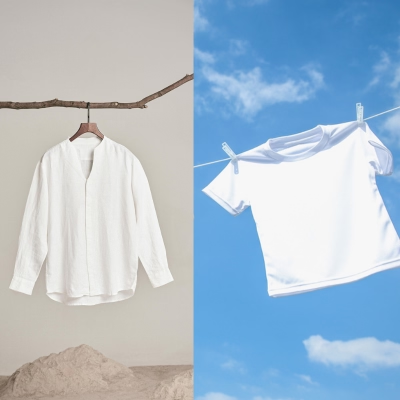
Materials needed :
- Old clothes
- Scissors
- Needle and thread or sewing machine
- Measuring tape
Sew and shape : Make a fabric planter bag
Shape the fabric. Sewing the fabric inside out will make the planter bag more stable. The bottom of the bag needs to be sturdy, as it will support the weight of the entire soil. It’s also important to sew small holes in the bottom to allow water to drain and prevent root rot.
- Sewing instructions:
- Double stitch the edges.
- Leave an extra layer of fabric in the bottom.
- Make three or four small holes for drainage.
Mix soil and fertilizer
The next step is to fill the planter bag with soil. Regular potting soil alone is not enough. Plants need a balance of nutrients, water and air. Fabric pots help maintain this balance, but the soil mix must be suitable for your plant.
Ideal mix ratio :
- 40% garden soil
- 30% compost
- 30% coconut fiber or sand
Second hypothesis : Emotional connection and psychological balance
What is particularly interesting is that the very act of making a pot from old clothes is an emotional experience. When old saris or shirts become a home for plants, they take on memories and life. Therefore, gardening is not just about growing plants; it is also a path to inner peace and satisfaction.
Making pots from old clothes is not just a simple project. it is the beginning of a dialogue with nature. It teaches us that through creativity and awareness, we can improve the world around us. The next time you throw away an old garment, stop for a moment and imagine: maybe it could become a home for your next plant. Through this process, we realized that it doesn’t take grand acts to protect nature, but small, honest efforts.
Summary
Making planter bags from old clothes not only helps you grow plants, but also provides a great opportunity to realize our responsibility towards nature. Turning discarded clothes into plants turns waste into something valuable. This not only reduces plastic consumption but also contributes to soil, water and environmental protection.
In addition, fabric planter bags provide an optimal balance of air, water and nutrients for plant roots, resulting in healthier and stronger plants. This method is especially suitable for people living in urban areas where space for growing plants is limited.