
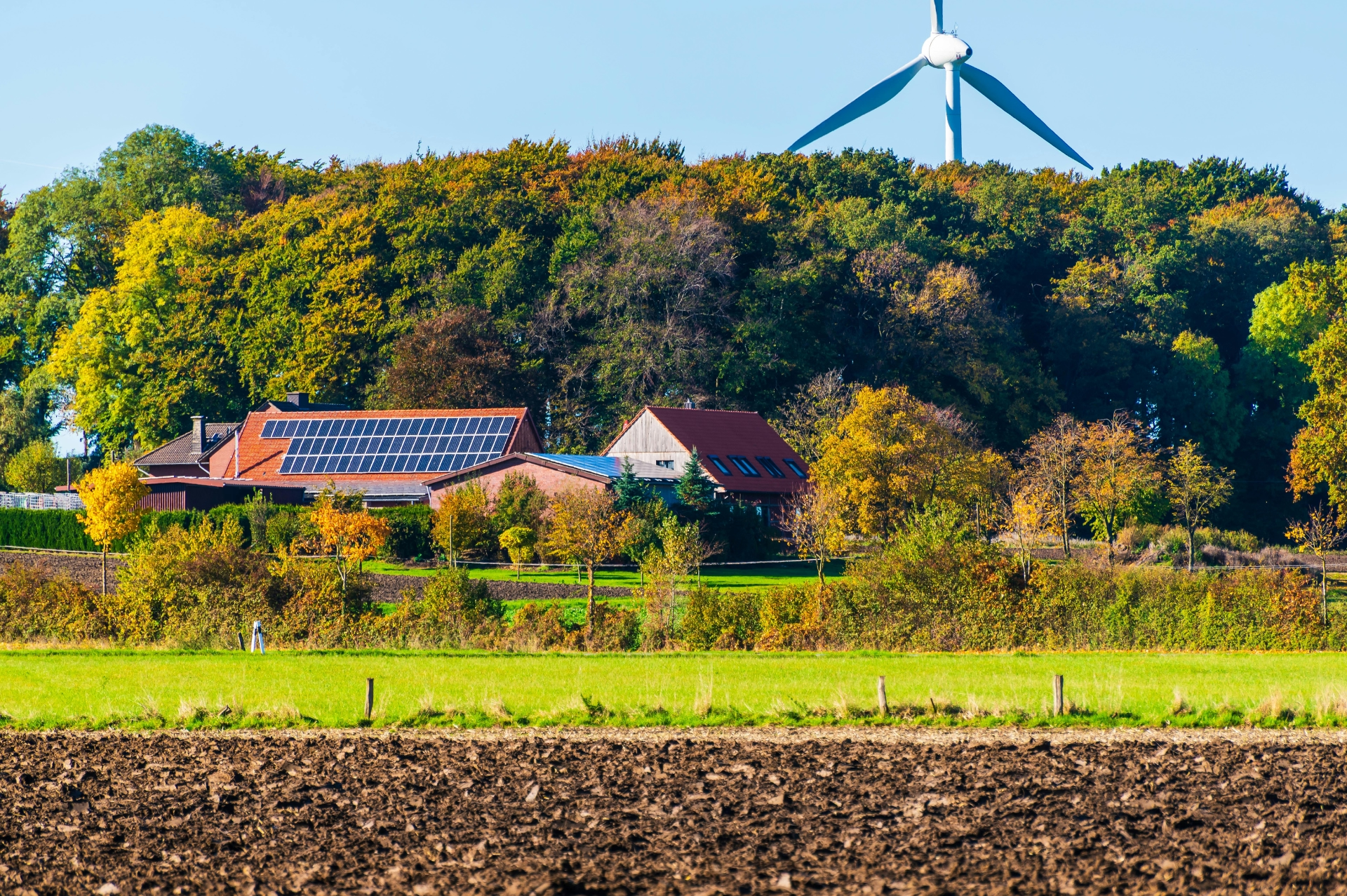
It is a comprehensive vision of a lifestyle that harmonizes environmental protection, resource management and respect for nature.
A comprehensive understanding of sustainable living
When we hear the term “sustainable living”, we often think of solar panels. However, sustainable living is more than just solar energy. It is a holistic lifestyle that encompasses all aspects, including energy, water resources, waste management, building materials and daily habits.
In this article, we explore the true meaning of sustainable living and consider which aspects, beyond solar energy, contribute to a truly sustainable lifestyle.
What is sustainable living?
Sustainable living refers to homes that minimize resource consumption and can be used for a long time without negatively impacting the environment.
A sustainable lifestyle means using natural resources responsibly without compromising the benefits for future generations. This includes conserving energy and water, reducing waste, reusing and recycling, and choosing environmentally friendly products. The goal of a sustainable lifestyle is to live in harmony with nature, thereby protecting the environment and improving the quality of life.
Key Features of Sustainable Living
- Energy Savings
- Optimal Use of Natural Resources
- Waste Reduction and Increased Recycling
- Healthy and Safe Indoor Environment
- Long Term Maintenance Cost Reduction
Energy Efficiency
Solar energy production can be part of sustainable living, but energy efficiency is paramount.
How to Save Energy Without Solar?
- Make the Most of the Sunlight
- Reduce Air Conditioning Power Consumption through Good Ventilation
- Choose Appliances with Energy Efficiency Labels
Installing solar panels is not necessary to save energy. There are several simple and effective ways to significantly reduce energy consumption. First, use low energy, high efficiency LED lights and energy-saving appliances in your home. Also, reduce the need for artificial lighting and fans by making maximum use of natural light and ensuring good ventilation in enclosed spaces.
Second, do not leave electronic devices on standby. Devices such as televisions, chargers and computers consume electricity even when they are plugged in. Therefore, always turn them off when not in use. Minimize the use of air conditioning and heaters and improve room insulation.
In addition, the conscious use of fans and air coolers, careful use of pressure cookers and induction hobs, and regular maintenance can also contribute to energy savings. Even if you do not have solar panels, changing a few simple habits can help save energy and protect the environment.
Benefits
- Reduced Electricity Bills
- Reduced Carbon Emissions
- Extended Appliance Lifespan
Water Management
Saving water is just as important as saving electricity in a sustainable home.
- Rainwater harvesting systems
- Water saving taps and showerheads
- Greywater recycling (use kitchen/bathroom waste water for plant watering)
- Leak proof water pipes
Importance
- Protecting groundwater levels
- Reducing water bills
- Safe water for the future
The importance of sustainable building materials
Your home’s walls and floors can also be sustainable.
Eco friendly building materials
- Fly gas boiler
- Bamboo and recycled wood
- Lime plaster
- Natural stone floors
Benefits
- Reduced carbon emissions
- Improved insulation
- Cooler summer temperatures
Indoor air quality
Indoor air quality is often overlooked in discussions about sustainable living.
Indoor air quality (IAQ) refers to the air quality in homes and other enclosed spaces. Since we spend most of our time indoors, good indoor air quality is essential for our health. Air pollution can lead to the accumulation of dust, smoke, chemicals, mold, and allergens, which can cause headaches, respiratory problems, fatigue, and allergic reactions.
Indoor air quality can be improved through good ventilation, regular cleaning, and the addition of houseplants such as sansevieria, areca palm, and pothos. It is also important to use paints with low chemical content, limit the use of perfumes and artificial scents, and regulate humidity in kitchens and bathrooms.
Clean indoor air not only has a positive effect on physical health, but also promotes mental health and improves overall quality of life.
Waste management – A step towards zero waste
Waste reduction is the foundation of sustainable living.
Effective waste management methods
- Composting food waste
- Separating food and dry waste
- Reducing plastic consumption
- Reusing recyclable materials
- Long term impact
- Reducing waste from landfills
- Free composting in your garden
- Positive environmental impact
Sustainable furniture and interior design
Sustainability should also be reflected in your furniture. The concept of sustainable furniture and interior design aims to create a living environment that combines beauty and environmental protection. The focus is on minimizing the consumption of natural resources and choosing sustainable furniture and design solutions. Sustainable furniture is usually made of solid wood, bamboo, reclaimed wood and other recycled materials, which makes it not only robust but also minimizes its environmental impact.
A minimalist interior design philosophy contributes to sustainability. Fewer functional furniture, natural colors and plenty of natural light create a warmer and more comfortable atmosphere. Natural materials such as cotton, jute and linen are ideal because they contain fewer chemicals.
Low emission paints, good ventilation and houseplants also play an important role in sustainable interior design, as they contribute to cleaner indoor air. In short, sustainable furniture and interior design not only protects the environment, but also helps to improve it.
The essence of sustainable living
Sustainability should be reflected not only in the home itself, but also in the lifestyle of its inhabitants.
Sustainable living means living consciously, fairly and responsibly with nature. It means using resources in a way that meets the needs of the present without compromising the ability of future generations to meet their own needs. Sustainable living requires wise consumption, economical use of energy and water, reduced waste and respect for natural ecosystems.
Beyond methods and technologies, its true essence lies in a change in our mindset: prioritizing simplicity over luxury, reusing rather than throwing away, and living in harmony with the environment rather than striving for temporary comforts. Living sustainably creates a healthier planet, stronger communities and more meaningful and balanced lifestyles.
Conclusion: Sustainable Living is a Concept, Not Just a Technology.
After all, sustainable living is about more than just installing solar panels. It’s about a conscious lifestyle, responsible choices, and living in harmony with nature.