
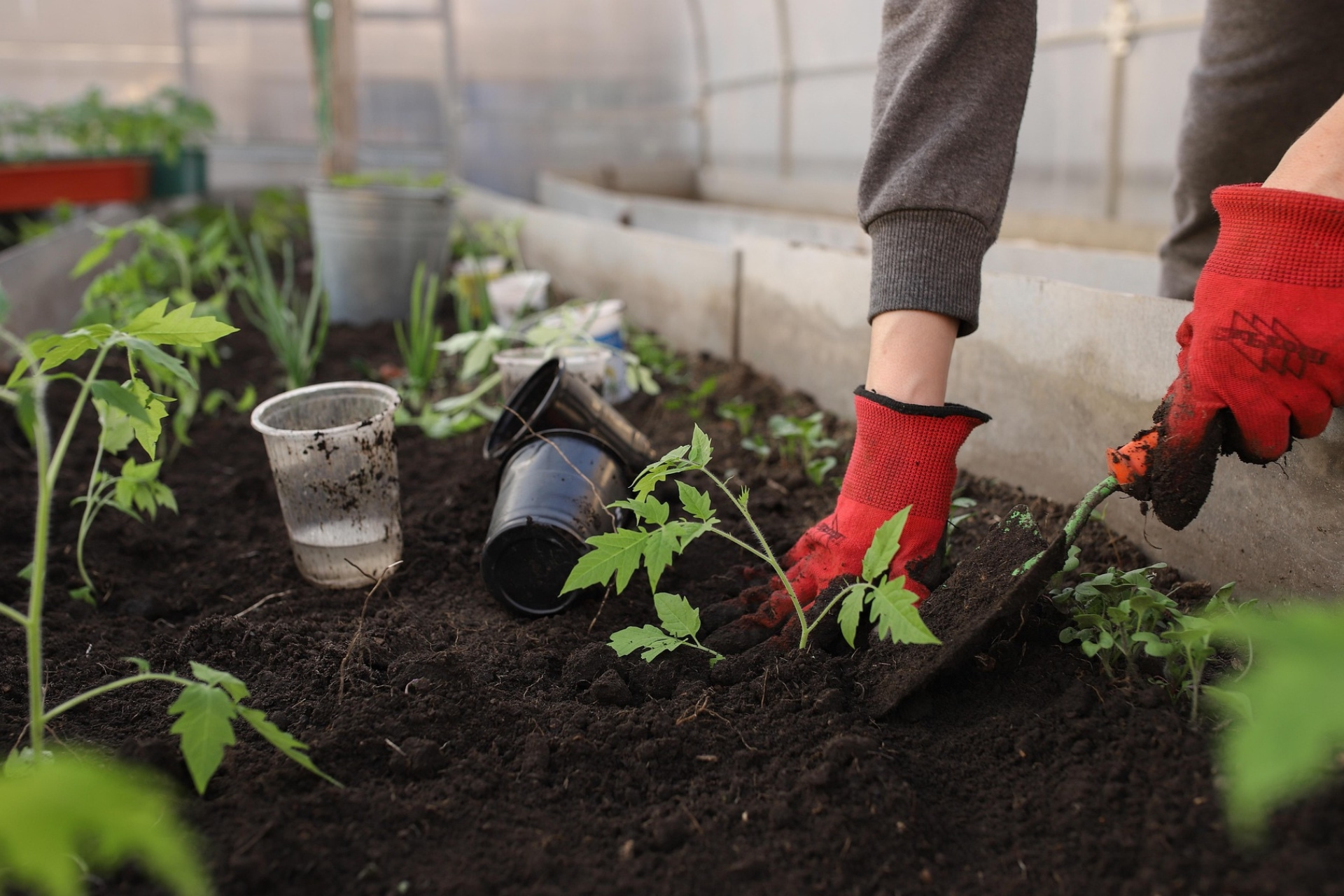
In today’s fast paced world, most people live in apartments or small houses with limited outdoor space. However, the dream of having your own garden persists. With proper planning, knowledge, and creativity, even a small space can be transformed into a beautiful, functional, and relaxing garden. This article will guide you on how to successfully create and maintain a garden in a limited space.
Analyze Your Space First
Before starting your garden, it’s crucial to understand the size and characteristics of your available space. Balconies, rooftops, windowsills, and walls are all suitable locations for growing plants. Pay attention to the amount of sunlight and ventilation the area receives throughout the day. Sunlight and fresh air are essential for healthy plant growth.
Before you begin planning your garden, it’s important to carefully assess the available space. Consider balconies, patios, windowsills, and wall spaces. Also, take into account the amount of sunlight and airflow throughout the day. Some plants require ample sunlight, while others do not. By choosing plants that are suitable for the size and conditions of your garden, you can create a healthy and balanced space.
Choose the Right Plants
Selecting plants suitable for small spaces requires special consideration. opt for compact potted plants rather than large, sprawling ones. You can grow fragrant herbs like basil, mint, and coriander, or vegetables such’s as tomatoes, peppers, and spinach. Flowers like marigolds, petunias, and portulaca also thrive in small spaces.
In a small garden, plant selection is crucial. Choose plants that don’t take up too much space or spread excessively. Herbs like basil, mint, and coriander, as well as vegetables such as tomatoes, bell peppers, and spinach, thrive in small pots. Flowers like calendula and petunias are also suitable for balcony gardens. By choosing appropriate plants that consider the available space, sunlight, and growth cycle, you can create a beautiful garden with minimal maintenance.
Use Pots and Containers Wisely
Container gardening is an excellent option when space is limited. Consider using old buckets, watering cans, bottles, terracotta pots, or grow bags. Ensure each container has drainage holes at the bottom. Using pots of varying sizes will maximize your space and enhance the visual appeal of your garden.
When planting in a small space, it’s crucial to use pots and planters effectively. Choose pots of varying sizes to ensure each plant’s roots have enough room to grow. You can also repurpose cans, buckets, bottles, and old flowerpots. Make sure each container has drainage holes to prevent waterlogging. Choosing the right pots will lead to healthy plant growth and efficient use of space.
opt for Vertical Gardening
Vertical gardening is one of the most efficient ways to grow plants in a small space. Installing wall shelves, hanging baskets, or trellises allows you to cultivate a variety of plants. This not only saves space but also adds beauty to your garden. Climbing plants and herbs are particularly well-suited for vertical gardening.
Vertical gardening is a great way to grow more plants in a small space. You can grow plants vertically using walls, railings, trellises, and other structures. Using hanging planters, wall shelves, and vertical supports can save valuable space. Climbing plants, herbs, and small flowers are particularly well suited to vertical gardening. This method not only saves space but also transforms your home into a lush and inviting green space.
Choose the Right Soil and Compost
The health of your plants largely depends on the soil. By adding a small amount of compost, worm castings, and cow manure to your regular potting soil, you can enhance the soil’s nutritional value. Plants grown in confined spaces need to absorb all their nutrients from the soil. Therefore, it’s essential that the soil is light, well-draining, and retains moisture. Regularly adding compost made from food scraps is also effective.
Choosing the right soil and fertilizer is essential for plant growth. Plants grown in limited spaces are highly dependent on the soil, so the soil needs to be loose, well aerated, and rich in nutrients. Adding earthworm castings, cow manure, or homemade compost to regular soil can improve its quality. Appropriate soil retains moisture, promotes growth, and keeps plants healthy.
Proper Watering
In confined spaces, both overwatering and underwatering can negatively affect potted plants. Always check the soil moisture level before watering. The best time to water is in the morning or evening. If you don’t have much time, you can use a drip irrigation system or an automatic watering system to water regularly.
For potted plants grown in confined spaces, proper watering is crucial. Overwatering can lead to root rot, while insufficient watering will cause the plant to wither and die. Therefore, it’s highly recommended to check the moisture level of the soil surface before watering. The best time to water is in the morning or evening. Ensure that the pot has drainage holes so that excess water can drain away. With proper watering, your plants will grow healthy, strong, and vibrant for a long time.
Ensure Sufficient Sunlight
Most vegetables and flowers require 4-6 hours of sunlight per day. If your balcony or apartment doesn’t get enough sunlight, choose plants that prefer shade or place them in a location that receives plenty of natural light. If necessary, you can also use grow lights suitable for indoor plant cultivation.
Sufficient sunlight is essential for healthy plant growth. Most vegetables and flowers require 4 to 6 hours of direct sunlight per day. Therefore, it is recommended to place potted plants in a bright location such as a balcony or patio. If your room is dark, choose plants that prefer shade. You can also use specialized grow lights if needed. Sufficient light promotes plant growth, resulting in lush foliage and healthy, thick leaves.
Regular Maintenance and Harvesting
In confined spaces, regular maintenance is essential to maintain a beautiful garden. Removing dead leaves, pruning at the appropriate time, and observing plant growth are crucial. This will keep your plants healthy and strong. Regular harvesting, especially of herbs and vegetables, will also increase yields.
Even in a small space, regular maintenance is essential for keeping a healthy and beautiful garden. Remove dead or yellowing leaves promptly so that the plants can use their energy to produce new leaves. Regularly check the soil quality, watering, and for pests and diseases. Regularly harvesting vegetables and herbs promotes growth and increases yields. Regular fertilization also provides the necessary nutrients for the plants. By committing to regular maintenance and harvesting, your vegetable garden can remain lush and productive for a long time.
Natural Pest Control
In a small garden, avoid using chemical pesticides. Natural methods such as neem oil, garlic and chili pepper spray, and soapy water can help control pests. This will protect your plants and maintain a healthy indoor environment.
To protect your garden from pests, it’s best to use natural methods rather than chemical pesticides. A spray made from a mixture of neem oil, garlic, and chili peppers is effective for pest control. Spraying soapy water on plants can also help remove pests from the leaves. Regularly inspect your plants to detect pest infestations early. Natural pest control methods protect your plants and create a clean and healthy home environment.
Gardening as a Hobby
Gardening is more than just growing plants; it’s a relaxing process. Dedicate time to your garden every day, experiment with new planting methods, and enjoy nature. Even in a small space, plants bring fresh air, lush greenery, and a sense of well being.
Gardening is more than just growing plants. it’s a relaxing and creative hobby. Spending time with plants every day reduces stress and calms the mind. The process of planting seeds and nurturing them fosters patience and a positive outlook on life. Even in a small space, gardening provides an opportunity to connect deeply with nature. This hobby not only adds greenery to your home but also improves your mental well being and overall quality of life.