
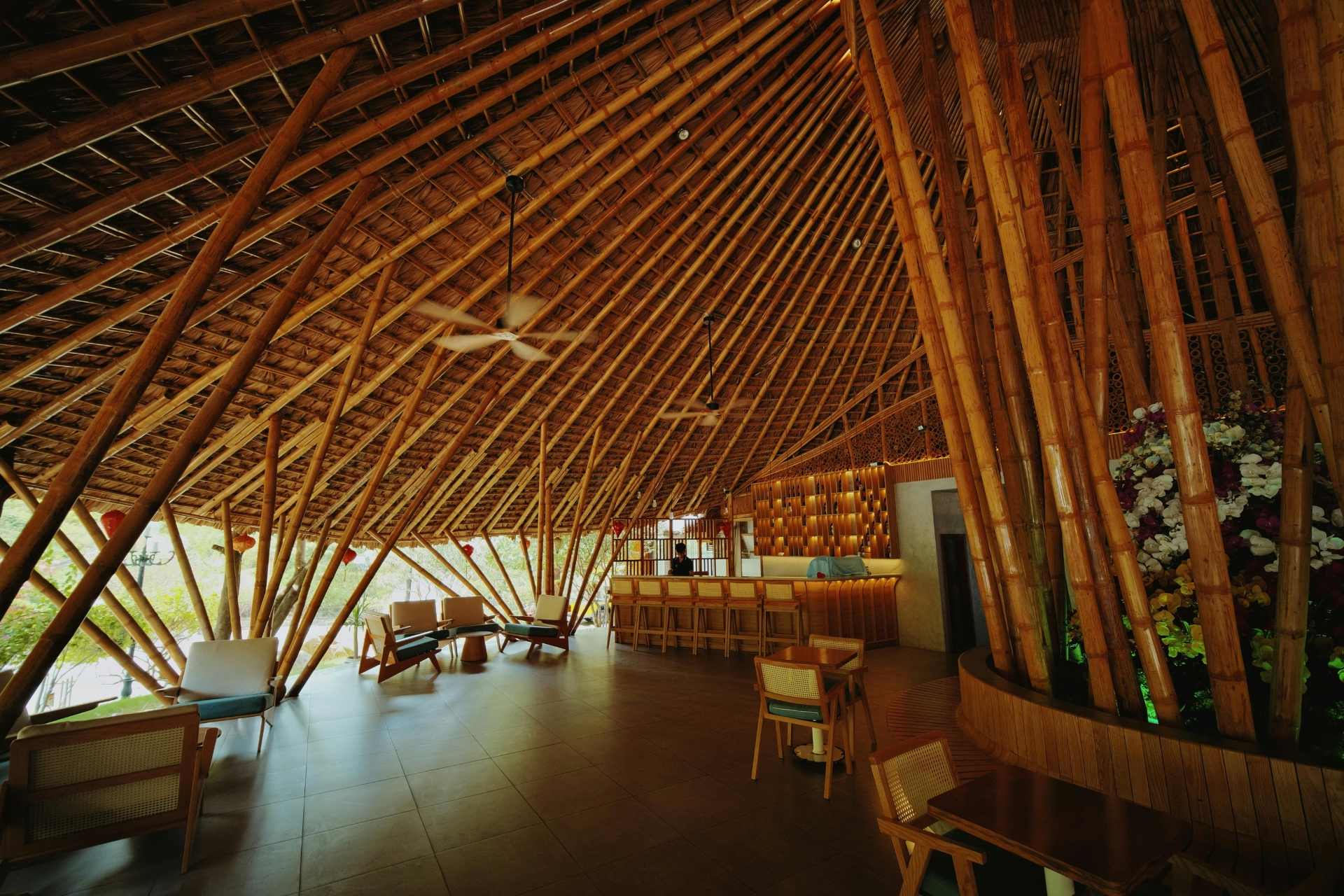
Environmental protection has become a central issue in today’s world. Increasing pollution, deforestation, and the overexploitation of natural resources pose significant challenges in considering how to transform our homes, lifestyles, and everyday products to maintain a balance with nature.
In this context, eco friendly wood products are an excellent option. Wood is a natural and biodegradable material, and while it is a sustainable resource, indiscriminate logging destroys forests. Therefore, prioritizing eco-friendly wood products is essential.
What are Eco-Friendly Wood Products?
- Use sustainably sourced wood.
- Comply with applicable forestry guidelines.
- Have low carbon emissions.
- Utilize recycled materials.
Environmentally friendly wood products are manufactured using environmentally conscious production methods. They are made from wood sourced from sustainably managed forests, where at least one new tree is planted for every tree harvested. This contributes to maintaining the balance of forest ecosystems and protecting natural resources.
These products often utilize recycled wood, engineered wood products (such as plywood and MDF). They feature low emission surface treatments instead of VOCs (volatile organic compounds) or conventional varnishes, improving indoor air quality and reducing health risks.
Furniture, flooring, cabinets, and decorative items made from environmentally friendly wood are not only durable but also possess natural beauty.
Are finished with safe, chemical free paints. These products not only enhance the beauty of your home but also contribute to environmental protection.
Tree Protection and Sustainable Forest Management
Protecting trees and practicing sustainable forest management are fundamental to producing eco-friendly wood products.
Protecting trees and practicing sustainable forest management are urgent priorities. Trees not only supply us with oxygen, but also play a crucial role in maintaining climate balance, regulating rainfall patterns, and preserving biodiversity. Rapid forest degradation leads to ecological imbalances, exacerbates global warming, and increases the risk of natural disasters.
Sustainable forest management refers to methods that meet current needs while simultaneously protecting forest resources for future generations. This includes planned logging, replanting trees for every tree harvested, protecting natural habitats, and involving local communities in conservation efforts.
Protecting trees requires curbing illegal logging, implementing large-scale reforestation projects, and raising public awareness about the importance of environmental protection. Responsible use of timber and forest products is also essential to prevent overexploitation of resources.
Sustainable forest management includes the following elements:
- Sustainable logging practices
- Planting one new tree for every tree harvested
- Maintaining biodiversity
Important Types of Eco-Friendly Wood Products
Recycled Wood : This is obtained by reprocessing old wood.
- Old door panels
- Scrap furniture wood
- Pallet wood
This reduces the need to cut down new trees and improves waste recycling. This wood is sourced from managed forests where strict logging standards are enforced.
Forest conservation
Contribution to local communities
Biodiversity preservation
Bamboo and low density wood (biomaterials)
Although not strictly classified as “wood,” these are materials derived from grasses.
- Bamboo
- Sorghum
These materials are sustainable and fast-growing, similar to wood.
Positive environmental impact
For example, products using recycled wood or engineered wood offer the following benefits:
- High stability
- Dimensional stability
- Reduced maintenance costs
These furniture pieces have a long lifespan.
Actively contributing to environmental protection means taking actions and making decisions that protect nature and restore its balance, rather than destroying it. Environmentally friendly products, energy efficient technologies, and the use of sustainable resources help reduce the strain on natural resources.
Making environmentally conscious choices also contributes to reducing deforestation, leading to the conservation of biodiversity and increased carbon dioxide absorption. This helps mitigate the effects of climate change and curb global warming. Furthermore, reducing pollution improves air, water, and soil quality, directly impacting people’s health.
Recycling, utilizing renewable energy, and using products with fewer chemicals reduce waste and the burden on landfills. This contributes to creating a cleaner and safer environment for future generations.
Furniture
- Eco-friendly wooden tables, chairs, shelves, and beds
- Recycled wood cabinets
- Wooden sinks and shelves
- These furniture pieces bring a natural and warm atmosphere to your home.
- Flooring and Wallpaper
- Parquet flooring
- Bamboo parquet flooring
- Environmentally friendly wall panels
These panels are safer and more attractive than traditional tiles or vinyl.
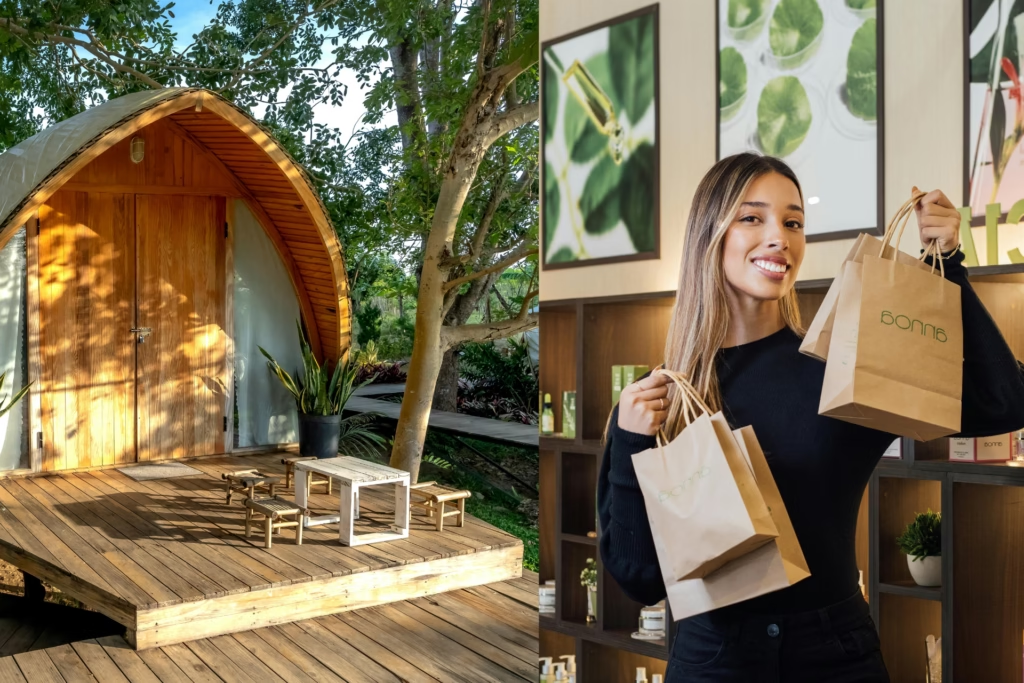
Kitchen Cabinets and Shelves
Cabinets made with bio-based or engineered wood products
- Reduced use of chemical paints
- Excellent breathability
- High durability
- Low moisture content
- Decorative Items
- Natural wood picture frames
- Flower pots
- Wooden artwork
- Wall panels made from recycled wood
These small items add a unique and beautiful touch to your home. For modern, eco friendly homes, engineered wood or bio-based wood cabinets are a wise choice. These cabinets offer superior durability, affordability, and environmental benefits compared to traditional solid wood cabinets. Engineered wood, such as plywood, medium density fiberboard (MDF), high-density fiberboard (HDF), and particleboard, is made by bonding together wood fibers, particles, or layers. This reduces wood waste and promotes efficient resource utilization.
Bio-based wood products are manufactured using natural or renewable raw materials and contain fewer pollutants. These cabinets are typically finished with low-emission (low-VOC) or water based paints, contributing to a cleaner and healthier indoor environment.
They are also less susceptible to changes in humidity and temperature, making them ideal for rooms like kitchens and bathrooms. Furthermore, they are available in a wide range of colors, patterns, and designs, adding a modern and stylish touch to any home.