
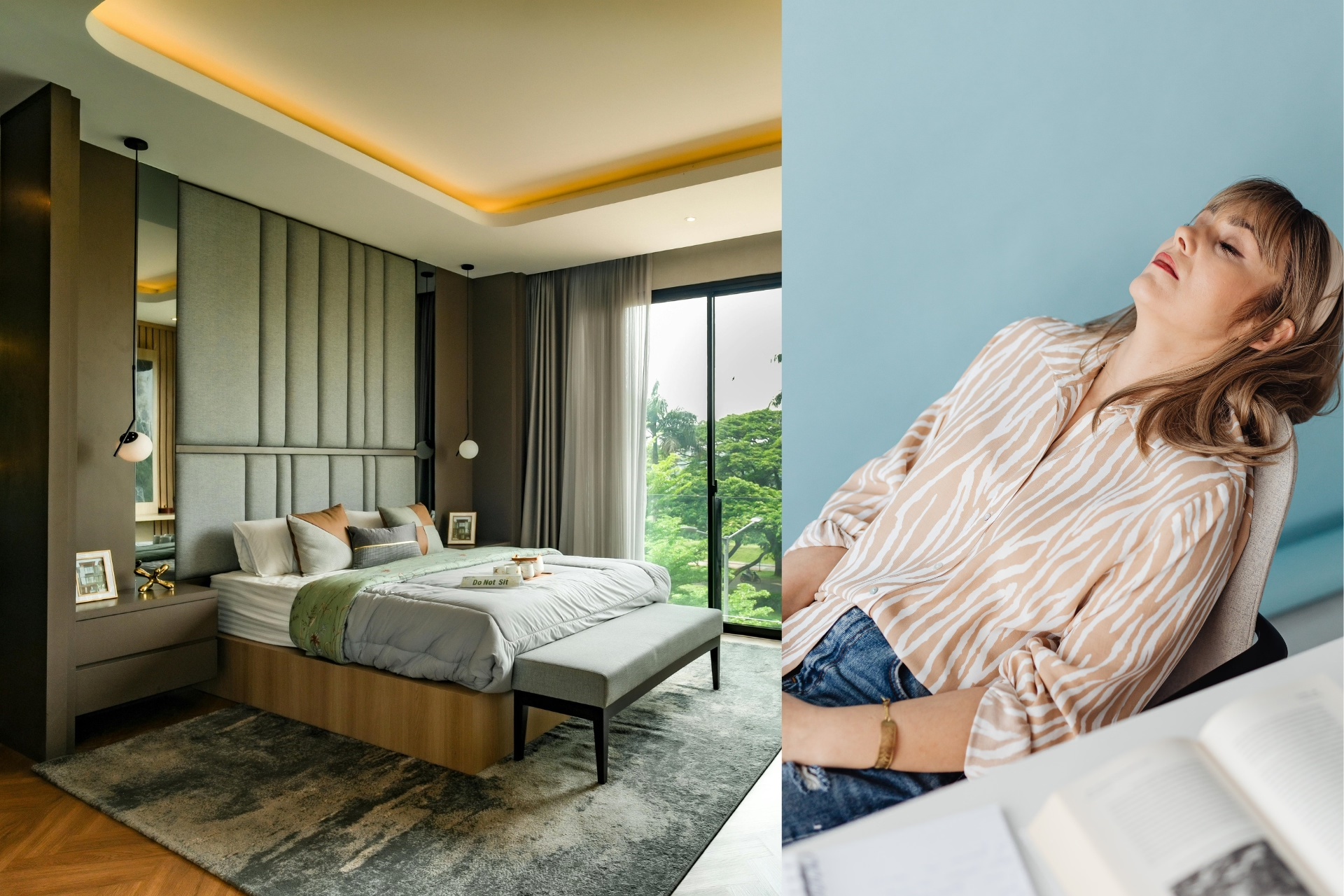
How do your bedroom, its lighting, colors, and interior design indirectly influence the quality of your sleep ?
Sleep isn’t simply a biological process; it’s deeply intertwined with our environment. Even if you follow all the tips for good sleep, avoid caffeine, and maintain a regular sleep schedule, you might still feel tired. One often overlooked reason is your home design.
From lighting and color choices to furniture placement and noise management, home design directly impacts your sleep. Recent research in sleep science and environmental psychology confirms a truth many of us feel but often fail to articulate: our homes can indirectly support or hinder our sleep.
we explore why home design affects sleep, how specific design elements impact comfort, and how smart interior design can improve your sleep without resorting to costly renovations.
The Science of Sleep and the Environment
Sleep is primarily regulated by two systems: Circadian rhythms (biological clock)
Sleep-related stress (feeling of fatigue). The environment has a significant impact on both systems.
A disruptive environment, combining light, temperature, sound, and visual stimuli, sends constant signals to the brain. When these signals indicate “wakefulness,” the brain struggles to switch to “rest.”
Therefore, interior design goes beyond aesthetics to contribute to the regulation of the nervous system.
Lighting Design : A Key Factor Influencing Sleep in Modern Homes
How does light affect sleep?
Light suppresses the secretion of melatonin, an important hormone for sleep. Bright, blue light suppresses melatonin production, tricking the brain into thinking it’s daytime, even in the middle of the night.
Many modern homes unintentionally create environments where sunlight constantly shines indoors. Common Lighting Mistakes That Negatively Affect Sleep.
- Using white or blue LED lights in the bedroom
- Using overhead lights at night
- Nightstand lamps that are too bright
- Hallway or bathroom lights that spill into the bedroom
Tips for Better Sleep with Ideal Lighting
- Use warm yellow lighting (less than 2700 Kelvin) in the bedroom
- Replace overhead lighting with table or wall lamps
- Install dimmable lights
- Use blackout curtains to block light from streetlights
Bedroom lighting for better sleep, Lighting design for comfortable sleep
The Psychological Impact of Bedroom Color on Sleep Quality
Color directly affects mood, heart rate, and mental alertness. Bright colors stimulate the brain, while calming colors have a relaxing effect. The most detrimental colors for sleep:
- Bright red (increases heart rate)
- Fluorescent or saturated colors
- Pure white (gives a hospital feel and is stimulating)
The best colors for sleep:
- Light blue
- Olive green
- Beige or warm neutrals
- Soft lavender or pale pink
These colors reduce cortisol levels and provide a sense of security essential for deep sleep.
Decorating Tip: Your brain responds more to color than to logic
Bedroom Furniture Arrangement and Energy Flow
Why decluttering is more important than you think?
Even when you’re relaxing, your brain is always on alert, scanning for potential threats. Poor furniture placement can unintentionally create a state of hyper vigilance. Common spatial design problems:
- Bed vs. door placement
- Cluttered walkways
- Heavy furniture above the bed
- Lack of a relaxation space
- Tips for designing the perfect bedroom:
- Position the bed so you can see the door, but avoid facing it directly.
- Keep walkways clear of obstacles.
- Do not place shelves or cabinets above the bed.
Noise Control : The Hidden Enemy of Sleep
The Effects of Noise on Sleep
- Inhibition of deep sleep phases
- Frequent and brief awakenings
- Increased stress hormones
- Design elements that increase noise
- Hard floors without carpets
- Walls without sound insulation
- Sheer curtains
- Open spaces without partitions
- Solutions for better sleep and noise reduction
- Thick or blackout curtains
- Carpets and upholstered furniture
- Upholstered headboards
- White noise generators or fans
Temperature and Ventilation: Keys to Comfort
Our body temperature naturally decreases during sleep. If your bedroom design interferes with this process, it will affect the quality of your sleep.
- Ideal Sleeping Temperature
- The ideal sleeping temperature is usually between 18 and 24 °C (65 and 75 °F).
- Room Design Problems Affecting Room Temperature
- Poor ventilation
- Lack of insulation
- Overly plush furniture
- Direct sunlight
- Solutions
- Breathable fabrics (cotton, linen)
- Increase breathability
- Light colored sheets
- Improve air circulation with a ceiling fan
Clutter, Visual Distractions, and Stress
Clutter not only looks bad, but it also negatively affects sleep.
How Clutter Affects Sleep
- Increased anxiety
- Stress from unfinished tasks
- Disturbed inner peace
- Your bedroom should be a peaceful space, free from unnecessary distractions.
- Reduce clutter to improve sleep quality.
- Store practical items outside the bedroom.
- Opt for a wardrobe instead of open shelving.
- Minimize bedside table decor.
- Keep only essentials on your nightstand.
Psychology Tip: Your brain unconsciously processes excess visual information.
Electronic Device Placement and Bedroom Design
Disadvantages of the Modern Bedroom
Televisions, phones, routers, and charging stations turn the bedroom into a small control center. Why does this negatively affect sleep?
- Exposure to blue light
- Mental stimulation
- Continuous waking
- Anxiety and disruption of the sleep cycle
- More effective solutions for bedroom design
- Remove the TV from the bedroom
- Place a charging station near the bed
- Use an analog alarm clock
- Hide cables and electronic devices
Aroma, air quality, and sleep
Aroma is directly related to memory and mood. Effects of poor indoor air quality:
- Headaches
- Insomnia
- Nasal congestion
- Design elements to improve sleep
- Natural ventilation
- Houseplants (e.g., snake plant)
- Essential oils (lavender, chamomile)
- Avoid artificial fragrances
Cultural and psychological comfort in interior design
Feeling psychologically safe improves sleep quality.
Design elements that reflect personal comfort, such as cultural identity, soft materials, and meaningful décor, can help calm the nervous system.
Simple design changes to improve sleep
No major renovations are needed.
Start with this:
- Adjust the color temperature of your light bulbs
- Install blackout curtains
- Clean your nightstand
- Change your bedding
- Adjust the position of your bed
- These simple changes often significantly improve your sleep quality.
- Why interior design is more important than sleeping pills
- Sleep monitors and supplements only alleviate symptoms.
- Interior design addresses the underlying cause.
Our brains are naturally programmed to sleep in dark, quiet, cool, and safe environments. Modern homes often neglect this aspect, unintentionally working against our biological instincts. When your home is in harmony with your nervous system, you’ll fall asleep naturally.
In short: When designing your home, prioritize comfort over aesthetics. A beautiful home that deprives you of sleep is not well-designed.
Sleep is essential for all aspects of life:
- Mental health
- Work productivity
- Immunity
- Emotional balance
Summary
Home design has a significant impact on sleep quality. First and foremost, room layout is crucial. Locating the bedroom in a quiet area minimizes external noise. A bedroom near the street or living room can negatively affect sleep.
Natural light and good ventilation are also essential. Sufficient sunlight regulates the body’s internal clock and promotes restful sleep at night. Good air circulation keeps the room cool and prevents a feeling of stuffiness.
Color choice is also important. Light, calming colors such as blue, green, and light beige have a soothing effect on the mind and body. On the other hand, bright or dark colors can exacerbate anxiety. Furniture placement and storage are also important. A clean and organized bedroom reduces stress and creates a relaxing environment.
Noise and temperature control are also essential for a good night’s sleep. Thick curtains, carpets, and good sound insulation reduce noise, while a comfortable temperature promotes deep sleep.
A well designed home lays the foundation for restful sleep and overall well being.