
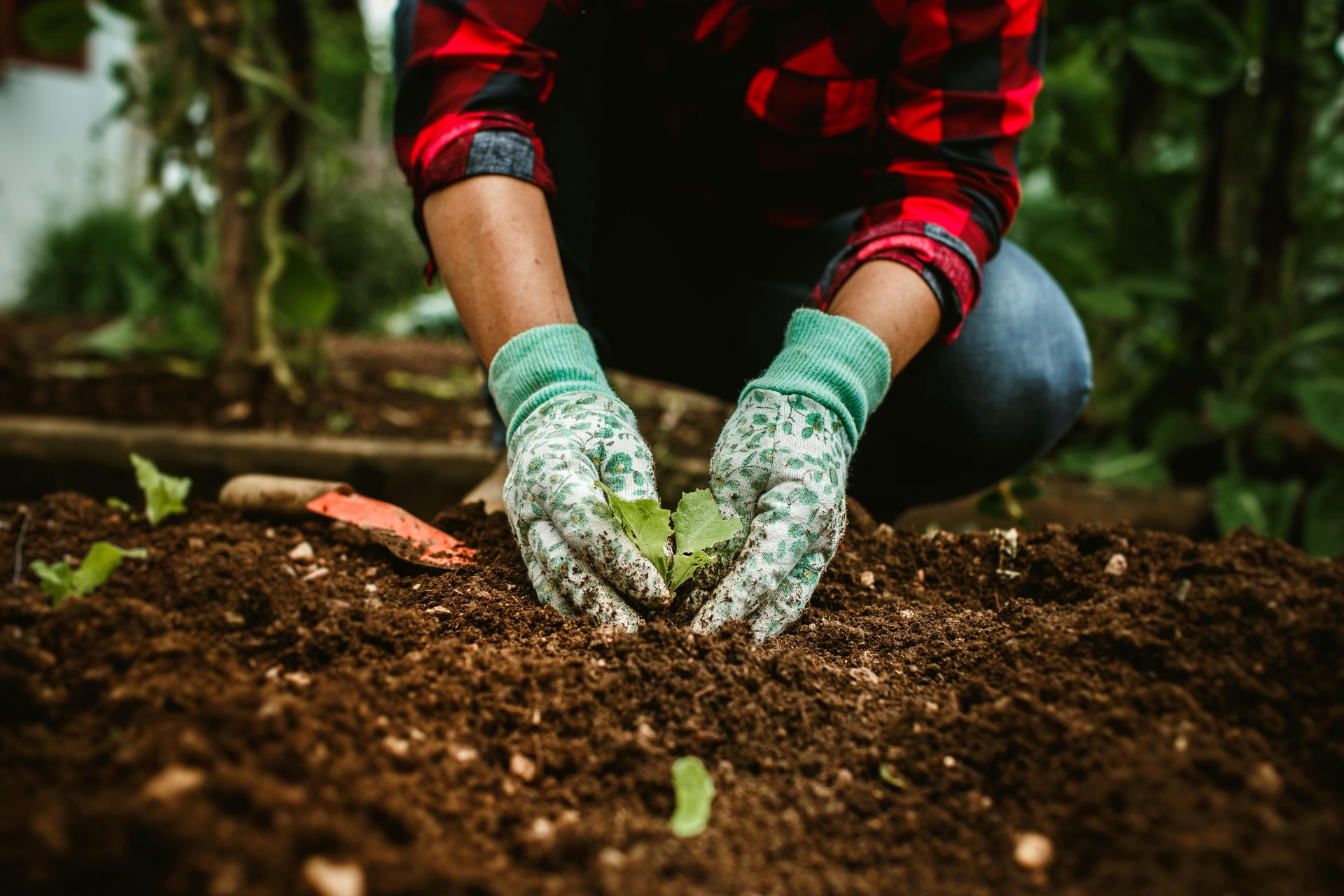
Advantages of Homegrown Vegetables
In today’s fast paced world, our diet directly impacts our health, the environment, and our overall well-being. Growing your own vegetables at home is more than just a hobby. it’s an expression of a conscious and sustainable lifestyle. Whether you have a large garden or a small balcony, with a little effort and the right information, you can grow fresh, nutritious, and pesticide free vegetables. Let’s explore the benefits of homegrown vegetables in detail.
Fresh and Nutritious
The biggest advantage of homegrown vegetables is their freshness. Vegetables sold in supermarkets often lose nutrients gradually due to long term storage and transportation. Homegrown vegetables, whether grown in pots or in a garden, retain all their vitamins, minerals, and antioxidants.
Fresh and nutritious foods are the foundation of a healthy life. By consuming fresh fruits and vegetables, the body absorbs essential vitamins, minerals, and nutrients more efficiently. Furthermore, fresh fruits and vegetables are healthier than those that have been stored for long periods or treated with chemicals.
Homegrown vegetables or those harvested directly from the farm are more natural and flavorful. Because they are consumed soon after harvesting, their nutrients are preserved, aiding digestion and providing the body with more energy.
Fresh foods strengthen the immune system because their antioxidants protect the body from disease and improve skin and hair health. Fresh and nutritious foods are especially important for children and the elderly, promoting growth and overall health.
In modern society, prioritizing fresh food is recommended. By incorporating fresh, natural ingredients into your daily diet, you can not only improve your health but also achieve a balanced and healthy lifestyle.
Furthermore, you have complete control over the soil, fertilizers, and water used to grow your vegetables. This increases your confidence and satisfaction in the food you eat.
Safe and Healthy, Free from Chemical Additives
Today, the overuse of pesticides and fertilizers in vegetable cultivation is rampant. These chemicals can be harmful to health in the long run. By growing vegetables in your home garden, you can cultivate them using completely organic or natural methods, such as using cow dung, worm castings, and neem oil.
Vegetables grown in this way are safer and tastier for children, the elderly, and the entire family.
Cost Savings
Gardening may seem like an expensive hobby at first glance, but in the long run, it’s very economical. This is because you no longer need to buy vegetables every day.
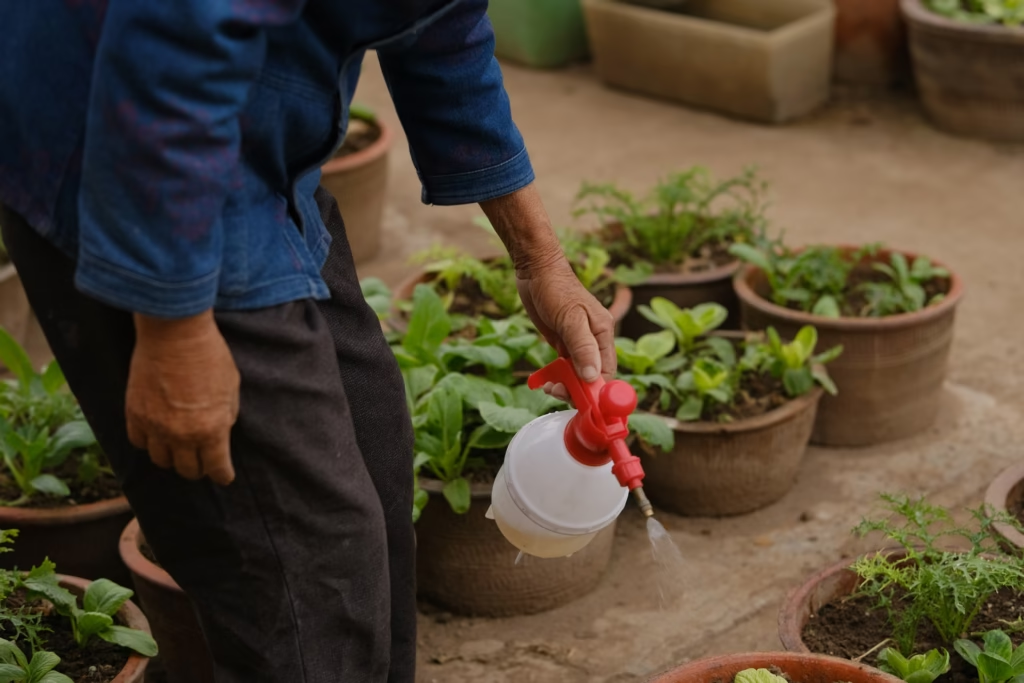
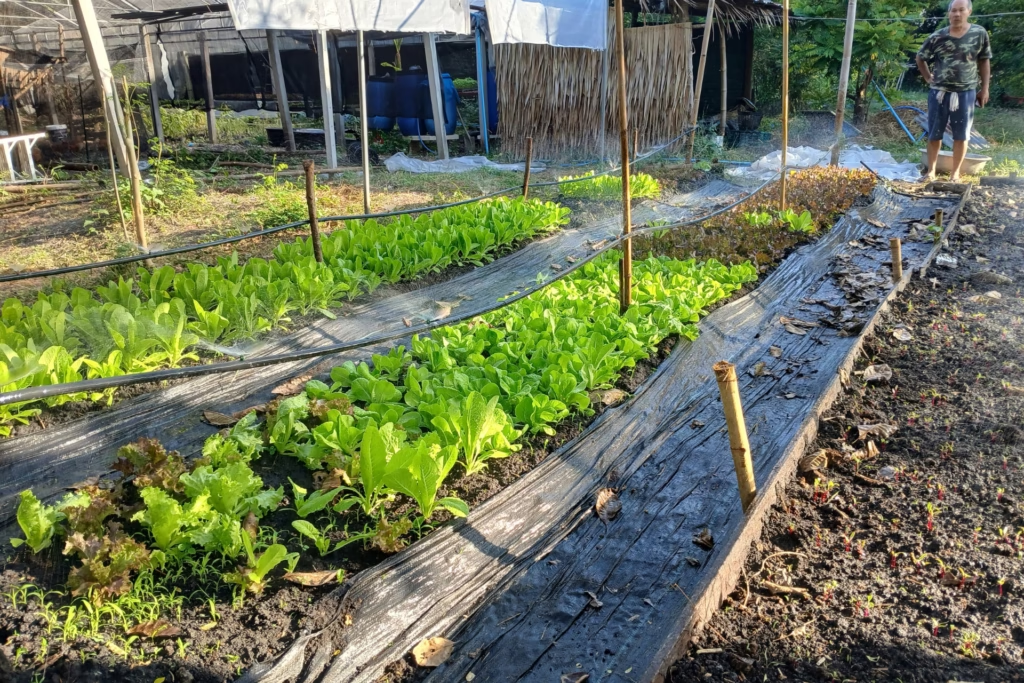
With just seeds, pots, and soil, you can grow vegetables like tomatoes, bell peppers, coriander, spinach, and fenugreek for several months. This not only saves money but also helps alleviate the pressure of rising vegetable prices.
Contribution to Environmental Protection
Growing vegetables in your home garden has significant environmental benefits. Home gardening reduces fuel consumption and the amount of plastic packaging used during transportation from the market. Plants absorb carbon dioxide and release oxygen, contributing to a cleaner environment. Composting food waste is an important step towards achieving a sustainable lifestyle and reducing waste.
Stress Relief and Relaxation
Caring for plants and connecting with nature is a rewarding experience in itself. Gardening can help alleviate stress, anxiety, and depression.
Sowing seeds, watching plants grow, and harvesting fruits and vegetables brings a unique sense of satisfaction and joy. This process fosters patience and connects us to nature, which is incredibly important in this digital age.
A Valuable Educational Tool for Children
A small home garden is like an open book for children to learn from. They learn about the plant life cycle, nature, patience, and responsibility.
By eating homegrown vegetables, children develop a preference for healthy eating. This habit encourages them to maintain a healthy lifestyle in the future.
Delicious and Natural
Homegrown vegetables taste completely different from commercially grown vegetables and are far more delicious. This is because they are not artificially grown or cultivated in a short period of time.
Vegetables that ripen slowly with the blessings of sunlight, water, and natural fertilizers are more fragrant and flavorful. The aroma of fresh coriander or the taste of freshly picked tomatoes homegrown vegetables have a unique flavor.
Growing in Small Spaces
Many people think that you need a large farm or garden to grow vegetables, but that’s not true. Thanks to modern tools like growing trays, vertical gardens, and grow bags, you can grow vegetables even on balconies, patios, and windowsills.
Many vegetables, such as bell peppers, tomatoes, spinach, mint, and coriander, can be easily grown in small spaces.
Self Sufficiency
Self sufficiency is about cultivating the ability to meet your own needs. By growing some of your own food, particularly fruits and vegetables, you can reduce your dependence on the market. This practice helps you understand the importance of effectively meeting your needs, even with limited resources.
Homegrown vegetables are not only fresh and safe, but they also boost self-confidence. Planting, tending, and harvesting your own vegetables provides a unique sense of satisfaction and teaches you the value of patience, responsibility, and perseverance.
Self sufficiency also offers significant economic benefits. Reducing daily expenses on vegetables can mitigate the effects of inflation. Furthermore, homegrown produce provides crucial peace of mind during emergencies when market supplies are scarce.
In summary, self sufficiency fosters a positive outlook on life, connects us to nature, simplifies our lives, and encourages a balanced, secure, and sustainable lifestyle.
When you start growing your own vegetables, a sense of self sufficiency gradually develops. You’ll gain a real sense of accomplishment from being able to produce your own food.
This experience will not only boost your confidence but also reduce your dependence on the market in times of emergency.
An Active and Healthy Lifestyle
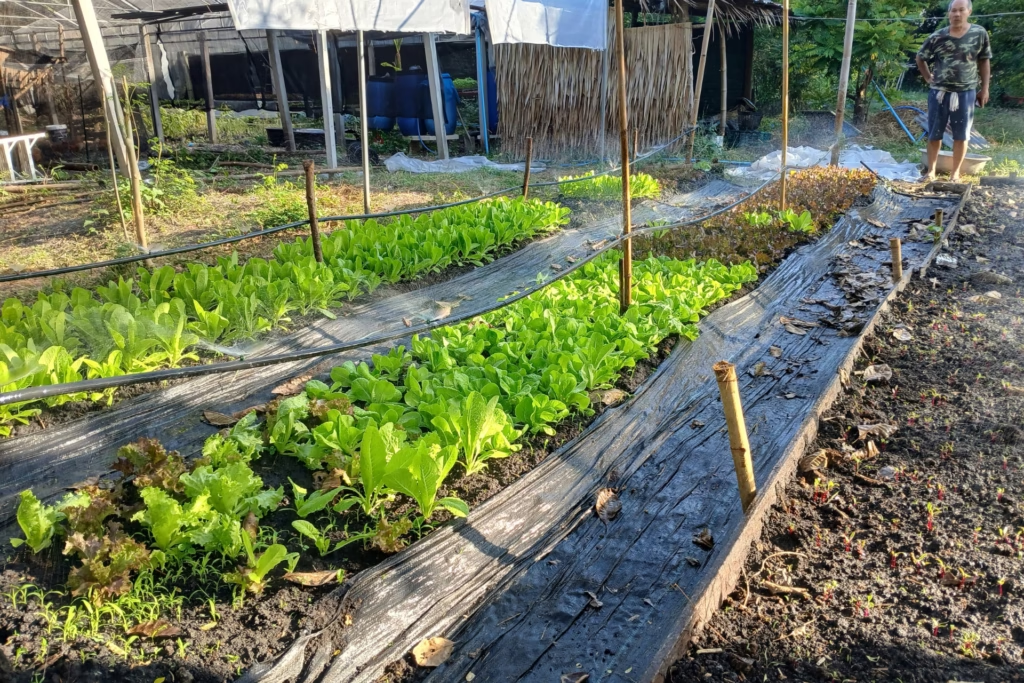
Growing vegetables in your garden helps you develop healthy and disciplined habits. Watering, ensuring sufficient sunlight, and regular maintenance become part of your daily routine.
An active and healthy lifestyle is essential for both physical and mental well being. Activities such as growing vegetables in a home garden are not only enjoyable but also provide moderate exercise. Watering, digging, and tending to plants naturally become part of a daily routine and serve as a form of exercise.
An active lifestyle strengthens muscles, improves cardiovascular health, and helps prevent problems such as obesity. Furthermore, being surrounded by nature benefits mental health. Being in a lush green environment reduces stress, improves mood, and enhances concentration.
A healthy lifestyle isn’t limited to physical activity alone. Eating fresh, nutritious, home grown vegetables provides the body with essential vitamins, minerals, and antioxidants, strengthening the immune system and maintaining energy levels.
By exercising regularly and eating a balanced diet, you can achieve not only a healthy body but also a healthy and balanced life. An active and healthy lifestyle improves the quality of life and allows you to live a longer, more active life.