
In today’s world, where waste continues to increase and soil fertility is declining, making compost in your garden is a simple, economical, and environmentally friendly solution. Instead of throwing away food scraps, you can turn them into compost. This not only nourishes your houseplants but also contributes to environmental protection. This guide is for those who want to try composting in their garden for the first time.
What is Composting ?
Composting is a natural process where organic waste such as vegetable and fruit peels, leaves, and other naturally derived scraps are slowly broken down by microorganisms and transformed into nutrient-rich compost. This compost improves soil quality and promotes plant growth.
Why is Composting in the Garden Important?
First, it’s important to understand why we compost.
Waste reduction: Organic waste accounts for approximately 50-60% of household waste.
Improved soil health: Compost softens and enriches the soil.
Environmental protection: Reduces the amount of waste sent to landfills and reduces methane emissions.
Cost savings: Eliminates the need to purchase expensive fertilizers.
Small scale composting at home makes a significant contribution to environmental protection.
Preparation Needed Before Composting
Before starting composting, keep a few basic points in mind.
First, decide whether you will compost on your balcony, patio, or in your garden. Next, choose a suitable container with good ventilation. Any plastic, ceramic, or wooden container with small holes in the bottom can be used.
Composting takes several weeks to several months, so patience is required.
Choosing the Right Materials for Composting
Successful composting begins with choosing the right materials. A balanced combination of natural materials accelerates the composting process and promotes healthy plant growth. Compost is primarily composed of two categories of materials: green waste and brown waste.
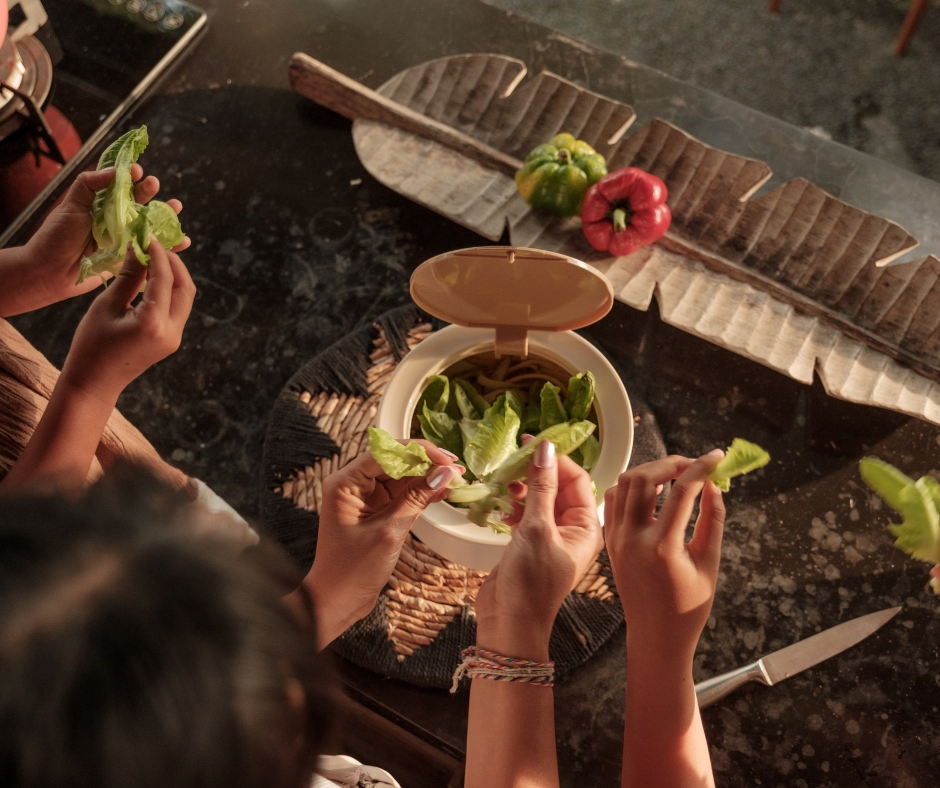
Green waste includes materials rich in moisture and nitrogen, such as vegetable and fruit peels, lettuce leaves, tea leaves, coffee grounds, fresh grass clippings, and crushed eggshells. These materials provide energy for microorganisms and accelerate decomposition.
Brown waste includes dry, carbon-rich materials such as leaves, straw, shredded paper, unprinted cardboard, sawdust, and hay. These materials help maintain moisture balance in the compost and prevent unpleasant odors.
It is not recommended to add meat, fish, dairy products, plastics, or chemical waste to your compost. The key to creating healthy, high-quality compost lies in the proper balance of various components.
Composting requires mixing two types of materials: green waste and brown waste, in a specific ratio. Green Waste (rich in moisture and nitrogen)
- Vegetable and fruit peels
- Tea leaves and coffee grounds
- Fresh grass clippings
- Eggshells (crushed)
- Brown Waste (dry and rich in carbon)
- Dead leaves
- Paper and cardboard (without ink)
- Sawdust
- Straw and hay
By mixing these two types of materials in the right proportions, you can prevent unpleasant odors in your compost and ensure a smooth decomposition process.
Simple Home Composting
Now, let’s get to the composting process.
First, lay a layer of dead leaves or paper at the bottom of the container, then add a layer of green waste. Finally, add a layer of brown waste. Adding a small amount of soil or dead leaves to each layer can help prevent odors.
Every 5-7 days, turn the mixture with a stick to promote air circulation and speed up composting.
Worm Composting in the Garden
If you want to create nutrient rich organic compost more quickly, worm composting is ideal. This method utilizes worms that quickly transform organic waste into compost.
Materials needed for worm composting:
- Worms (earthworms)
- Moist soil
- A cool, well ventilated location
Important: Worms dislike spicy or strongly scented foods.
Common Composting Problems and Solutions
You may encounter some problems at first.
Odor: This indicates too much green waste.
Solution: Increase the amount of brown waste.
Insects and flies: Do not leave the waste exposed; cover it with dry mulch.
Compost is too dry: Lightly moisten it.
Compost is too wet: Add some dry leaves to ensure aeration.
These simple improvements will make composting easier.
Characteristics of Mature Compost
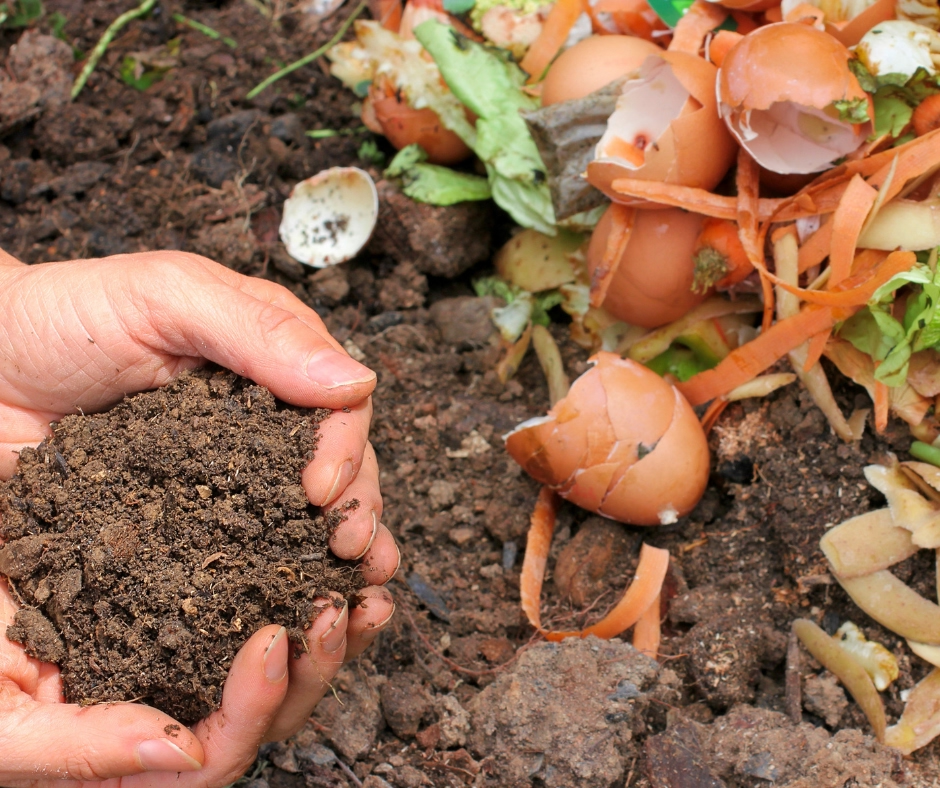
Mature compost is dark brown or black and smells like damp soil. It is odorless, and the organic matter has lost its original properties. This process usually takes 45 to 90 days.
Mature compost is composed of completely decomposed organic matter and is very safe and beneficial for plants and soil. Its most distinctive feature is its dark brown color, almost black, reminiscent of fertile soil. This color indicates that the organic matter has been fully decomposed.
Another characteristic is its pleasant, earthy scent. Mature compost does not emit unpleasant odors; instead, it smells like fresh soil in a forest after the rain. This indicates good aeration and a healthy composting process.
Mature compost has a soft, crumbly texture. Organic materials such as vegetable peels and leaves lose their original form during decomposition and completely disappear.
Mature compost feels cool to the touch, indicating reduced microbial activity and a stable structure. The moisture content is moderate; it is slightly damp but not wet or sticky.
Furthermore, compost is rich in nutrients and improves soil structure by enhancing water retention, aeration, and the growth of beneficial microorganisms. Most importantly, it is safe for plants, does not burn roots, and can be used directly in gardens, potted plants, and lawns to promote healthy plant growth.
Mature compost has various uses. Mix it into potting soil.
- For vegetable gardens.
- For lawns and flower beds.
- Improves soil quality.
This type of compost slowly releases nutrients to plants, reducing the need for chemical fertilizers.
Practical tips for beginners
- Add small amounts of waste daily, and avoid adding too much at once.
- Do not add meat, fish, or dairy products.
- Be patient, as the natural process takes time.
- Involve children and raise environmental awareness.