
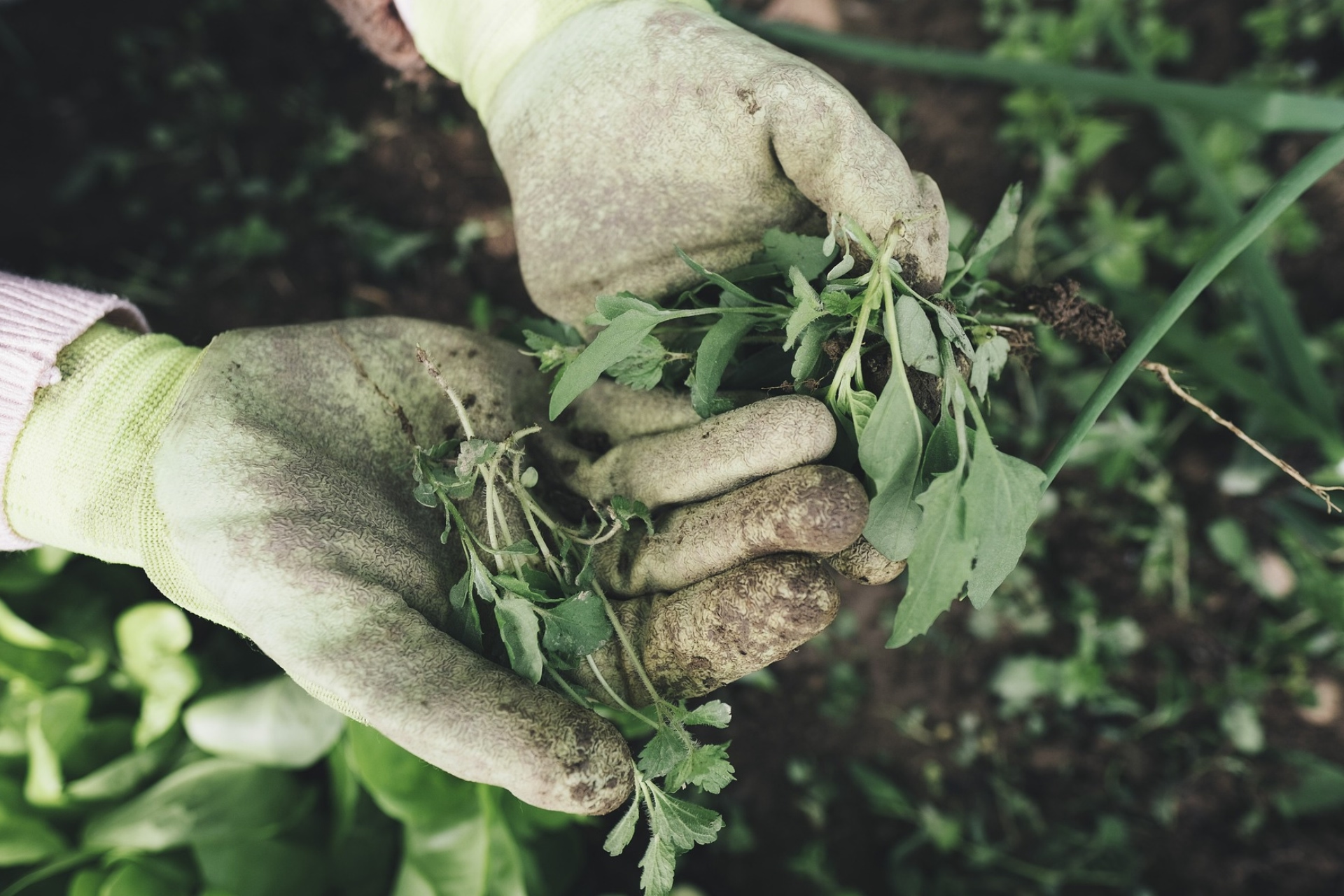
Environmentally friendly options for sustainable gardening
Environmental protection is no longer just a trend, but a necessity, and the use of plastic free tools, especially in nature based hobbies like gardening, can bring great benefits to the environment.
Wooden and bamboo handles are also comfortable to use and maintain an ideal temperature on both hot and cold days, reducing fatigue even with extended use. Furthermore, tools made from natural materials develop a unique texture and character with age, enhancing their beauty the more they are used.
Plastic free gardening tools encourage a more careful and thoughtful approach to gardening, one that prioritizes kindness over speed. When tools are heavy and require careful handling, we pay more attention to every plant, every root, and every leaf. This carefulness is the foundation of a true connection with nature.
Our culture of excessive consumerism has led us to forget to value our possessions. Plastic tools break easily and are carelessly discarded. Metal and wooden tools, on the other hand, are repairable: handles can be replaced, blades can be sharpened, and they can be used for years. This practice teaches us to value resources.
What are plastic free garden tools ?
Plastic free garden tools contain little to no plastic. They are typically made from natural, recycled, or biodegradable materials. Environmental pollution, microplastics, and resource overexploitation are commonplace today. Even in seemingly gentle and natural activities like gardening, our tools place a burden on nature. Plastic gardening tools may look light and inexpensive, but they have long term negative effects on soil, water, and plant health. Therefore, using plastic free gardening tools is not just a passing fad; it’s an important step toward reconnecting with nature and living in harmony with it.
Common Materials
- Wood
- Bamboo
- Stainless Steel
- Iron
- Clay
- Coconut Fiber
When we plant seeds in the soil, we not only nourish our plants, but also forge an emotional connection with the earth. With artificial, polluting tools, this connection remains incomplete. Gardening tools made from wood, metal, bamboo, or natural fibers allow us to recreate this experience. They remind us that when we interact with nature, we should communicate with it in its own language.
Why is plastic bad for the garden ?
Plastic used in the garden decomposes slowly, damaging the soil and water. The biggest danger comes from the breakdown of plastic in the soil. Broken flower pots, plastic lids, pipes, garden tools, etc. break down over time. These fragments become microplastics that eventually seep into the soil. The soil cannot absorb these particles, which changes the soil’s natural structure and prevents plant roots from accessing essential nutrients.
Disadvantages of plastic
- It reduces soil fertility.
- It migrates to plant roots and forms microplastics.
- It remains in the environment for hundreds of years.
- It poses a threat to wildlife.
- That’s why sustainable gardening is so important today.
Advantages of plastic free garden tools
One of the greatest advantages of these tools is that they can be handmade by local artisans. This not only enhances traditional craftsmanship but also revitalizes local economies. Handmade wooden shovels and sickles are more durable and have deeper sentimental value than factory made plastic tools.
A key advantage of plastic free gardening tools is that they do not alter the natural structure of soil. Plastic particles dissolve in the soil over time, forming microplastics that eventually reach plant roots. On the other hand, steel shovels and scissors, as well as tools with wooden handles, are suited to the soil and offer superior durability.
Plastic free gardening isn’t just about changing the tools we use it’s about changing the way we think. By using terracotta pots and metal watering cans instead of plastic sprayers, we unconsciously conserve water and energy. Similarly, choosing terracotta, concrete, or metal pots instead of plastic makes gardening more sustainable.
- Environmentally friendly
- Biodegradable
- Reduced environmental impact
- Healthy and safe
- Chemical free
- Does not harm soil or plants
- Durable and robust
- Long lasting
- No regular replacement required
- Promotes a sustainable lifestyle
- Contributes to a low maintenance garden
- Supports a natural lifestyle
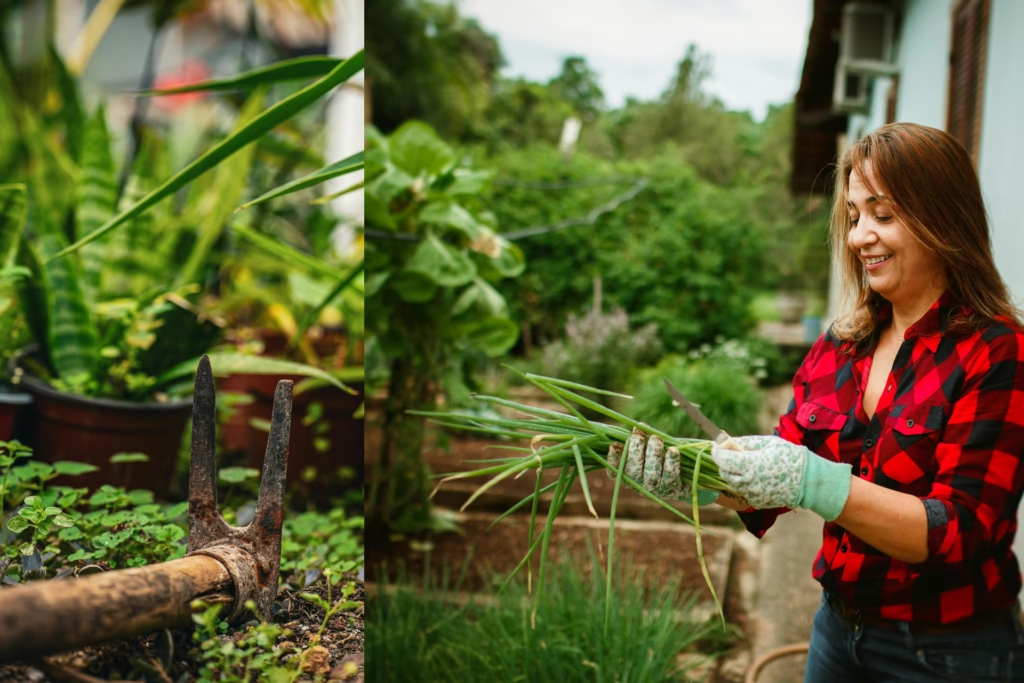
1. Garden Tools with Wooden Handles
Tools with wooden handles are traditional and sustainable.
Examples :
- Shovel
- Hand Shovel
- Garden Spade
Advantages :
- Attractive appearance
- High holding power
- Biodegradable
2. Bamboo garden tools
Bamboo is a fast growing, sustainable raw material.
Applications:
- Plant support
- Garden marker
- Lightweight hand tool
Advantages:
- Lightweight
- Completely environmentally friendly
- Affordable and durable
3. Stainless Steel Garden Tools
These tools are made of metal, completely plastic-free, and extremely durable.
Popular tools:
- Pruning shears
- Weeders
- Spades
Why choose us ?
- Rust resistant
- Durable
- Ideal for professional gardening
4. Garden Tools Made of Clay and Ceramic
These are the best alternative to plastic pots.
Examples:
- Clay pots
- Seed pots
- Saucers
Advantages:
- Naturally breathable
- Good for plant roots
- Keeps the soil cool in summer
5. Garden Tools and Accessories Made from Coconut Fibers
Coconut fiber products support zero waste agriculture.
Uses:
- Covering bark mulch
- Flower pots
- Hanging baskets
Benefits:
- 100% biodegradable
- Excellent water retention
Plastic free garden tools
A natural gardening experience also includes sound, touch, and smell. The sound of a shovel hitting the soil evokes a sense of depth in our work. The warmth of a wooden handle and the aroma of the soil combine to create a special experience never before achieved with plastic tools.
- Eco-friendly alternatives
- Metal or clay pots instead of plastic watering cans
- Wooden or bamboo pots instead of plastic flower pots
Use leaves or straw instead of plastic compost.
Tips for Zero Waste Gardening
Follow these simple tips:
- Buy homemade gardening tools.
- Repair broken tools instead of throwing them away.
- Use eggshells or clay pots instead of plastic trays for sowing seeds.
Where can I buy plastic free gardening products ?
Shopping options:
- Local nurseries
- Shops selling Khadi clothing and rural crafts
- Craft markets
Online shopping options:
- Eco-friendly websites
- Shops for sustainable lifestyles
- Organic farming platforms
When shopping, look for labels like “plastic-free,” “eco-friendly,” and “sustainable.”
Plastic Free Gardening and Its Impact on the Environment
Plastic free gardening:
- Reduces your carbon footprint
- Improves soil health
- Promotes biodiversity
- Creates a cleaner environment for future generations
The Future of Gardening : Sustainable and Plastic Free
The future lies in an eco-friendly lifestyle and sustainable gardening. More and more people are choosing high quality, environmentally friendly alternatives to cheap plastic.
Why is this trend gaining importance ?
- Increasing awareness of climate change
- Rising demand for organic food
- Environmentally conscious lifestyle
Start plastic free gardening today
Using plastic free gardening tools isn’t just a choice, it’s a responsibility. By eliminating plastic from your garden, you’re making a significant contribution to protecting our planet. In the end, plastic free gardening tools, no matter how small, matter. It reminds us that caring for nature isn’t just about planting trees, but also about the tools we use. If we see gardening as a conversation, not just a chore, then all our tools become part of that conversation. Plastic-free tools will be our true companions on this journey to discover and experience nature.